Algerian Radio

Algeria has adopted a comprehensive national strategy for combatting and preventing cancer, which has enabled the achievement of significant gains. This comes in implementation of the directives of the President of the Republic, Mr. Abdelmadjid Tebboune, reflecting his keenness to provide high-quality healthcare for citizens.
As part of this endeavor, the National Committee for Cancer Prevention and Combatting, established by the President of the Republic on February 4, 2024—coinciding with World Cancer Day—oversees the implementation of this strategy. The strategy is built upon several key pillars: prevention, early detection and diagnosis, improving the patient pathway, and training and research, all aimed at reducing incidence rates and increasing survival rates.
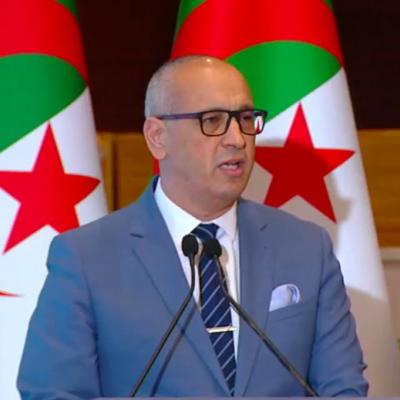
In this regard, the Chairman of the National Committee for Cancer Prevention and Combatting, Professor Adda Bounedjar, stated to APS (Algeria Press Service) that Algeria records more than 55,000 cancer cases annually. This reality has prompted the country to bolster its efforts to confront this disease.
He highlighted the vital importance of early diagnosis in saving patients' lives, noting Algeria's success—through strenuous efforts—in reaching a 50% diagnosis rate during the early stages of the disease. He added that the country aims to reach 60% by 2030, which is the target rate adopted by the World Health Organization (WHO). The WHO considers the effectiveness of any program to be contingent upon early detection, the timeframe for providing care, and the review of cases by at least three specialist physicians.
Professor Bounedjar also noted that the diagnosis rate of breast cancer in its advanced stage was estimated at 40% in 2000, whereas it currently stands at 18%. This positive development is a credit to Algeria, which seeks to further reduce this rate to below 10%. Furthermore, the average age of onset has increased from 47 to 52 years.
In parallel, the national strategy for cancer prevention and combatting relies on prevention as a fundamental pillar to avoid infection. This includes reducing obesity, curbing smoking, improving physical activity, ensuring proper nutrition, and implementing vaccination against cancers caused by the Human Papillomavirus (HPV), such as cervical cancer.
In this regard, the Chairman of the National Committee for Cancer Prevention and Combatting revealed Algeria's plan to launch a vaccination campaign against certain types of cancer soon, noting that this measure has proven its efficacy in many countries.
Regarding the improvement of the patient pathway, Algeria is dedicated to raising awareness about the importance of early detection and diagnosis, and providing a clear treatment plan for patients. This is coupled with a commitment to ensuring the availability of medication, surgery, and radiotherapy, extending to palliative care.
It is also committed to enhancing training across various related specialties and advancing scientific research in the field of cancer control.