Algerian Radio

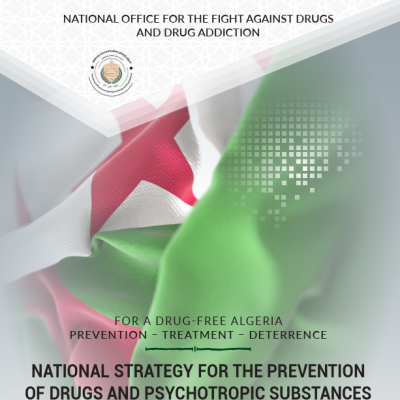
Algeria will celebrate the International Day Against Drug Abuse and Illicit Trafficking next Saturday, an opportunity to review the results of the implementation of the National Strategy for the Prevention of Drugs and Psychotropic Substances (2025-2029). This strategy reflects the State's commitment to adopting a participatory and inclusive approach to tackling this scourge, based on prevention and treatment.
The Abdelatif-Rahal International Conference Centre (CIC) will host the official ceremony organized by the National Office for the Fight Against Drugs and Drug Addiction (ONLCDT), under the high patronage of the President of the Republic, Mr. Abdelmadjid Tebboune, under the slogan: "One Year After the Launch of the National Strategy... Together Let's Rise to the Challenge."
This event aims to evaluate the progress made in implementing the objectives and programs of this strategy, thereby highlighting the achievements made and identifying prospects for the development of future interventions.
During this ceremony, the efforts made by various sectors and national bodies in the prevention and fight against drugs will be highlighted. The results recorded in combating this phenomenon and limiting its effects will also be presented.
On the ceremony's program, according to an ONLCDT statement, are "several initiatives and activities with an awareness, evaluation, and recognition dimension, aimed at supporting the culture of prevention and strengthening public engagement in anti-drug efforts."
Among the main activities is "honoring the security services that have carried out the best qualitative operation in the fight against narcotics, as a sign of appreciation for the efforts deployed to protect society and combat illicit trafficking networks."
The national strategy for the prevention of drugs and psychotropic substances was adopted on April 20, 2025, by the Council of Ministers, in application of the directives of the President of the Republic. The President attaches great importance and pays strict attention to the rigorous fight against the dangers of drugs through a comprehensive and integrated vision based on prevention, treatment, and deterrence, alongside the mobilization of all the driving forces of society to effectively and rigorously combat this scourge.
The strategy in question encompasses four essential elements: investing in the preventive dimension, which relies on proactive action based on awareness of the negative effects of drugs and psychotropic substances; activating therapeutic frameworks and the social reintegration of drug addicts by strengthening the national care system for these individuals; adopting a comprehensive penal policy aimed at aligning national legislation and regulations with the evolution of drug-related crimes; and strengthening international cooperation and coordination with various international and regional drug prevention and control mechanisms.
These steps have been reinforced with the establishment of a complete legislative arsenal to tackle this scourge, through the drafting of several legislative texts. These include the Health Law and the Law Relating to the Prevention and Repression of the Illicit Use and Trafficking of Narcotics and Psychotropic Substances, which had undergone several amendments dictated by current changes and challenges.
These amendments have contributed to the adoption of a comprehensive national approach combining prevention, treatment, risk reduction, and the effective fight against drugs and psychotropic substances. This ensures the total mobilization of all State institutions, with the contribution of civil society and the media, to rise to this challenge. It also includes strengthening provisions related to mandatory treatment, criminalizing new acts imposed by the evolution of this phenomenon, and stiffening penalties applicable to certain related offenses.
As part of joining the national effort to stem this scourge, the Ministry of National Education has set up a toll-free hotline for drug prevention and control in schools.
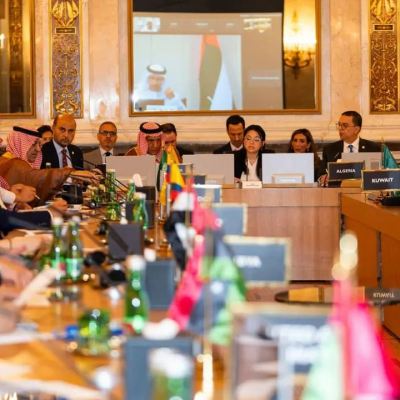
Algeria is making considerable efforts to combat the serious threats posed by the spread of these poisons within society, given the close link between drug trafficking and other forms of transnational organized crime. This requires coordination among the various bodies and institutions, as well as international cooperation with different global entities.
The National People's Army (NPA), in coordination with security services and competent bodies, plays a major role in the fight against drug trafficking networks, recording on-the-ground successes thanks to the actions carried out by its combat units to secure the borders.