Algerian Radio






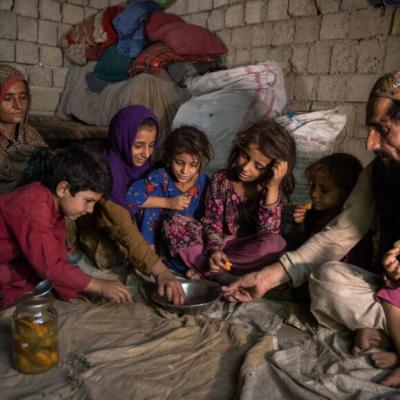
The rapid deterioration of food security in the Democratic Republic of the Congo (DRC) places more than four million children under the age of five under the threat of acute malnutrition due to persistent armed conflicts, massive population displacement, and persistently degraded sanitary conditions, according to data from the Integrated Food Security Phase Classification (IPC).
Among these children, more than 1.3 million are already suffering from the most severe form of malnutrition, which is directly life-threatening, according to new data from the IPC, an authoritative international group of experts on the issue.
The crisis also affects the most vulnerable adults. Approximately 1.5 million pregnant or breastfeeding women are expected to suffer from malnutrition and require treatment over the same period.
On a national scale, nearly 25 million people, or more than one-fifth of the Congolese population, are already experiencing high levels of acute food insecurity. Three eastern territories—Djugu and Mambasa in Ituri, and Masisi in North Kivu—have recently reached an "emergency" threshold.
Projections for the first half of 2026 are even more concerning.
"This situation, combined with the planned reduction in humanitarian food aid, will expose vulnerable populations to an increased risk of acute food insecurity," experts warn.
This humanitarian deterioration is occurring within a rapidly shifting security context in the east of the country. The armed group M23 has launched a new offensive in recent days in the South Kivu province, seizing several localities, including Uvira, which fell on December 9 following intense fighting.
Since December 8, local authorities estimate that approximately 110,000 people have fled to other areas of the province, while thousands of others have crossed borders into Burundi, and some have continued on to Tanzania. Most displaced families are sheltering in public spaces, without regular access to humanitarian aid.